.png?w=713&h=135)

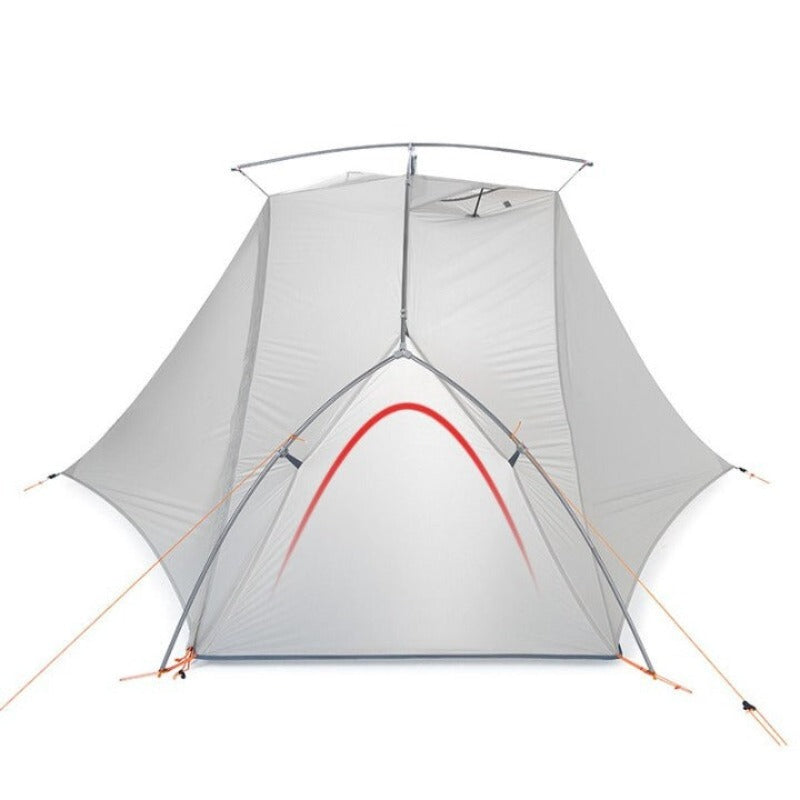
A tent parts inventory should match your exact tent and its instructions, not a generic camping checklist. Before a September weekend away, unpack the kit at home and identify the components required for the configuration you plan to use. A bag that closes neatly can still be missing an essential piece.
This is especially worthwhile after borrowing equipment, moving house or storing more than one shelter together. Similar-looking poles and pegs do not make two tent systems interchangeable. The aim is to discover uncertainty while you still have time to resolve it.
Use the manual as the master list
Find the model name, selected size and supplied instructions. Check those against the components in front of you. If a manual covers several versions, follow the relevant diagram rather than adding every part illustrated anywhere in the booklet.
The Ultralight Single Tent and Large Pop-up Tent represent different shelter formats. Their names are not a reason to transfer setup or packing instructions between them.
If the manual is missing, request the instructions for the exact item. Do not improvise a pole arrangement from another product photograph, particularly when the parts resist normal assembly.
Lay out components without mixing them
Choose a clean, dry space and keep the equipment away from traffic. Separate fabric components, poles, pegs, lines and accessories into the groups described by the instructions. Count each group and note anything that cannot yet be identified.
For borrowed equipment, photograph the complete set with the owner's permission. This creates a useful return reference and can prevent confusion about which carry bag or ground covering belonged to it.
Inspect visible condition as you count. Record bent or cracked pieces, damaged fabric and missing connectors. Counting something as “present” is not the same as confirming it is ready to use. Follow the maker's guidance for repair or replacement rather than forcing damaged equipment into service.
Give each bag one clear identity
Attach a removable label to the storage bag naming the tent and listing its component groups. Put model details and the manual where you can find them without emptying every box.
If the household owns several shelters, avoid a shared loose pole bag unless the manufacturer specifically intends that system. A color-coded label on an outer bag is safer than applying unknown paints or adhesives to working components.
Keep spare accessories clearly separate from required ones. Otherwise, a spare count can mask the absence of the actual specified part. Use only compatible replacements approved for the system.
End with a rehearsal, not just a ticked list
With the manual available, rehearse the setup in an appropriate space before departure. Stop if the equipment does not assemble normally. Confirm that everyone helping knows the correct sequence and where the instructions will be during the trip.
Our tent and campsite planning guide covers space, ventilation and weather exits. The inventory comes before that plan: it establishes what you actually have. Finish by packing the verified set together and recording any unresolved issue that must be fixed before leaving. No capacity label or “all-season” description replaces suitable equipment, local conditions and a weather-appropriate trip plan.